Sunday, May 4, 2014

How to Bandage Your Dog


No one possible can fully plan for an emergency. But it always helps to be equipped with at least the basics. There are plenty of diseases in the dog-society trying to swallow your doggy.


Abdominal injuries, broken bones, broken back are some of them which can be mended by bandaging. So, it is better to know the art of bandaging your dog.

Down goes a quick bandage treatment walk through that is good for knowing.


  • Bandaging a Chest wound


    • Clean the wound thoroughly 
    • Apply gauze
    • Press the gauze hard and roll a bandage all over the chest 
    • Crisscross the bandage under the front and back legs so it doesn't slip.

  • Bandaging a Leg wound


    • Clean the wound thoroughly 
    • Apply gauze
    • Bandage the whole leg securely
    • Place a wooden stick for support
    • Bandage over the stick

  • Treating Abdominal Injuries


    • Wash and disinfect your hands / Use gloves
    • Touch the wound as little as possible
    • Gently sprinkle clean lukewarm water over it
    • Push the parts of intestine back through the wound
    • Bandage the animal
      • Apple a pressure bandage (Make a thick pad)
      • Crisscross the bandage under the front and back legs
    •  Take the animal to the vet to stitch

  • Treating Broken Bones


    Animals with broken bones will be reluctant to allow you touch them, due to the severe pain. Once you have it under control, start your action plan;
    • Handle the broken bone as little as possible
    • If things go out wrong, better to give the animal a painkiller orally
    • Bandage the animal thoroughly
      • Bandage the broken bone with clean bandage.
      • Bring the bandaged foreleg near the neck.
      • Take a fresh bandage and tie one end to the leg. Then loop it around the neck.
      • Make another loop, the same way.
      • Make sure your doggy is comfortable with the sling.


    • Take your doggy to a vet. But if there is no vet, then let it heal its own. It takes about 10 to 14 days to heal.

  • Treating Broken Back

    Animal is unable to move its back legs and feels pain in the back. It fails to control or respond to its bodily functions.
    • Keep your dog warm.
    • Call a vet to home.
    • If results are unsatisfactory, better to euthanize your dog to ease its pain.  

How to Care for Your Dog

Dog is the best friend of man. That's a phrase you dog lovers agree with no doubt. When your day brings you all the nasty things you didn't expect, after you get home there's your doggy waiting to give you a warm pet-hug and to give a full licking therapy to your face. That's love and care.


But my question is, do you care for your dog? You maybe tired with your busy routine, but always make time to care for your pet. There maybe lots of friends to care for you, but your pet only has you.

Now, Let's see how you are gonna love and care for your pet.

  • Grooming

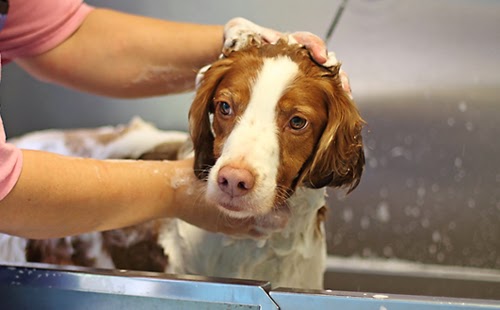
    • Bathing


      Do not bathe your dog more than once a month. Because, too frequent bathing washes off their natural oils and may result skin disorders. Use a dog shampoo or soap. Rinse it properly and towel-dry in the sun light.

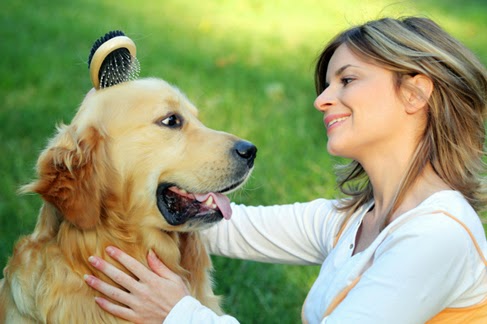
    • Brushing


      Dogs with long hair must be brushed everyday. And the dogs with a smooth coat, once in two days. First brush your dog in the opposite direction of the coat and then back to normal.

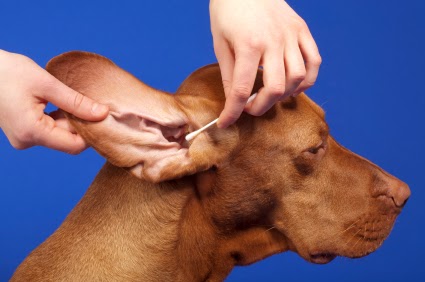
    • Ears


      Keep your dogs ears clean with the help of a bud. Only clean the area which is visible to your eyes. And never put the bud deep into the ear. Clean its ears wit a wet cotton. But don't clean it everyday. Once a week is just enough. Because, the wax in its ears serves a protective purpose.

      If your dog is with floppy ears, make sure to inspect its ears now and then. Because, due to lack of air going into the ears, fungal infections might take place.

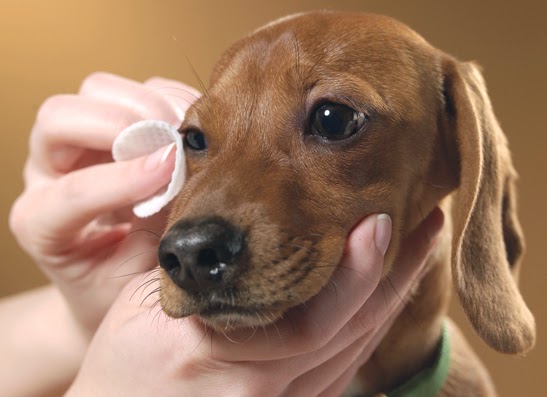
    • Eyes


      Clean your doggy's eyes with a wet cotton, only if you see a discharge which is not normal. Avoid cleaning its eyes every single day.

    • Paws


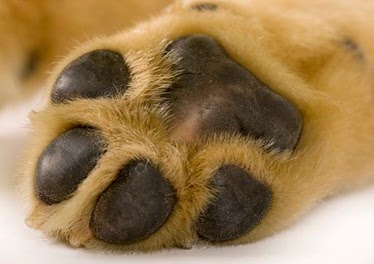
      Always keep an eagle eye on the paws of your doggy for cracks and rubbish etc.

    • Nails

      Don't ever touch your dog's nails. Get your dog's nails trimmed by a vet. To make your dog's nails short naturally, tae it for regular walks. In fact, a dog that is exercised frequently does not need ts nails cut, as the act of walking itself trims the nails down.

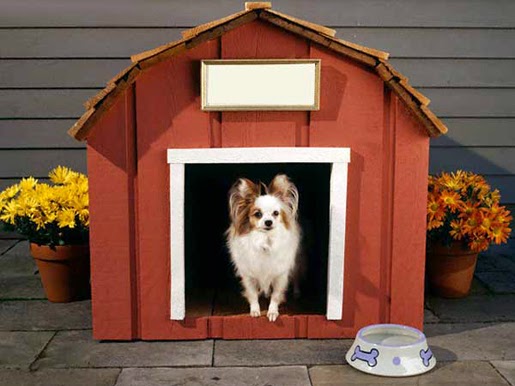
  • Housing
    • In summer


      Make sure it is with adequate ventilation. Direct sunlight should be avoided. Always give your dog fresh water. Dogs sweat from their mouths so, don't tie their mouth for any reason.

    • In winter


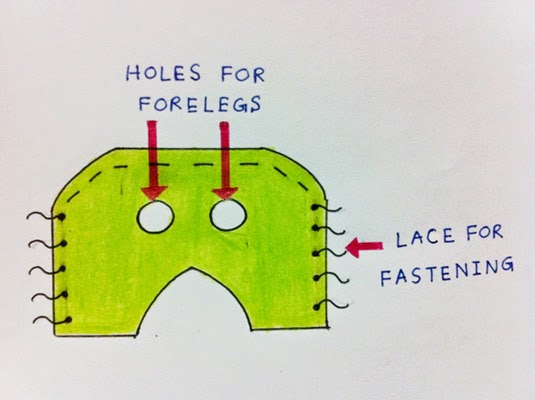
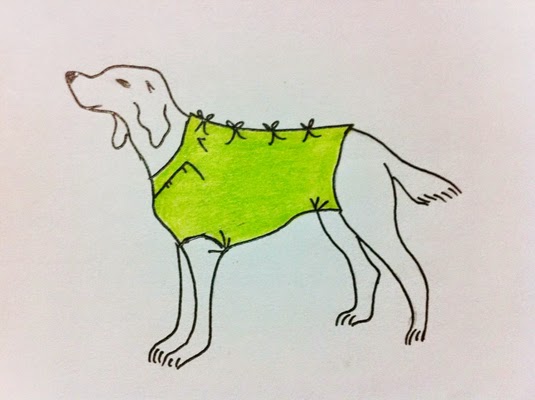
      Provide him with a warm bed. You can even make a winter coat to your doggy from an old blanket. But make sure it is always dry. (See the illustration below)


  • Exercise


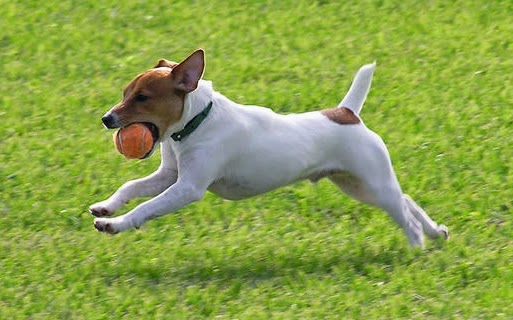
    Your pet should get regular exercise. Morning and evening walks are a must. Don't keep your dog tied, as this leads to boredom and frustration. Dogs kept tied up always bite. 

  • Feeding

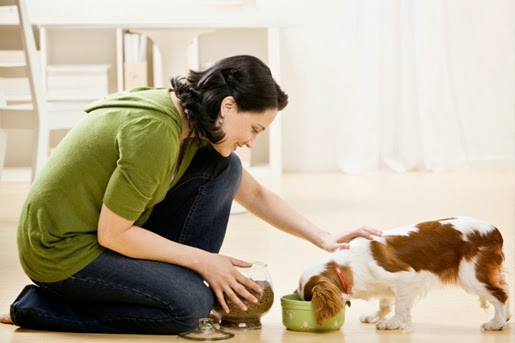
    • Puppies for 1-4 monthsFeed time :
      • 7:00 am - Whole milk, one crisp toast
      • 11:00 am - one cup of lukewarm milk or porridge 
      • 2:00 pm - Grated carrot (Vitamin A), chopped onions (Minerals), Spinach (Iron) and rice all boiled together.
      • 6:00 pm - Farex with milk
      • 10:00 pm - one cup milk with Farex  

    • Orphaned Puppies up to 4 weeks
      They must be fed on a milk substitute, every 2 hours for the first two weeks. Then, every three hours, with an eye dropper or a feeding bottle. Between 5 and 8 weeks, start with semi-solid foods 3 times daily.

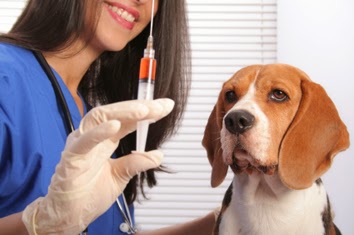
  • Vaccinating 

    • 30 days - Deworming
    • 45 days - 6-in-1 ( distemper, parvo virus, hepatitis, leptosporasis, para-influenza)
    • 2½ months - Booster
    • 3 months - Anti-Rabies

      Note: Each of these vaccines requires an annual booster

Friday, April 11, 2014

How to Feed your Dog Correctly


We all like to see our cuddly pet, round and fluffy. So, when we feed them without any limit. And also we feed them with food that we choose to be good.

But this is not good as we think. Because, dog's food digesting system greatly differs from human's digesting system. So, we must first know the nutrition that is needed for our doggy.


Even though dog's digesting system is acclimatized to a carnivorous life style, according to bio-chemistry, a greater number of dogs shows omnivorous characteristics.

  • More Proteins


    Dogs are used to eat food that contain more protein. It's better to give 25%-30% Protein in your dog's meal.

  • Stop 'Free & Choice' concept


    If you always refill your dog's plate immediately after it eats food, as if to let it eat whenever it gets hungry, it's a GRAVE mistake!

    This is the biggest reason for fatty doggies.

  • Feeding Times


    If your dog is a pup, then it's okay to feed him several times a day. But, this is only essential for growing up doggies.

    If your dog is an adult, feeding him with a single sufficient nourishing meal would be enough. So, it's better to give your dog's food once a day.

  • Easy-to-digest Food


    The time needed to digest food in your pet's stomach is lower than yours. So, you will have to feed him with food which is easy-to-digest.

Thursday, April 3, 2014

How to Keep your Dog safe from the Heat


Summer days really do bother your dog. And, did you know that the increasing heat can be influenced to your doggy's health?


Where there is high temperature, high-humidity and spoiled air, your pet's body temperature increases quickly. This is a critical situation that needs to be concerned.

  • How does you dog's body temperature go high?


    When you put your dog inside your car and leave without keeping your car doors and shutter open, the inner temperature of the car get increased. Meanwhile, your pet's body temperature also gets high.

    Even not in a sweaty climate, but in a relative high-temperature environment, your dog will feel uneasy.

    When you walk your dog on an extremely sunny day, for a long distance and when you make him exercise unnecessarily for a long time period, without your knowledge, your pet's body temperature will eventually get higher.

    And also, your doggy's genetic diseases may also get influenced to increase its body temperature.

  • How to know when your dog is bothered by the heat?


    • Air inhaling speed will be augmented 
    • It will secrete excess saliva
    • Heart beating will increase
    • It will behave hyper-actively
    • It will burble with uneasiness

      If you didn't take any step to halt this situation, believe me, your dog's life will be in danger.

  • First Aid:

    • Take immediate steps to decrease the temperature level

      • Wet him with cool water (Don't use ice for this)
      • Give him fresh air
      • Cool the place using an electrical fan or A/C
    • Cool him up to 104 F and not more than that.

    • After giving First Aid, show your doggy to the nearest veterinarian for further treatments.


About Us

Yes.And.How. is an approach to create a world where anyone can easily learn how to do anything. It's your one-stop online blog resource for day to day life challenges. Yes.And.How. will empower you to learn exactly, how to do anything—and it’s available to you anytime, anywhere.

Like Us

© Yes. And. How. All rights reserved | Theme Designed by Seo Blogger Templates